Shopping Cart
*continental US addresses only

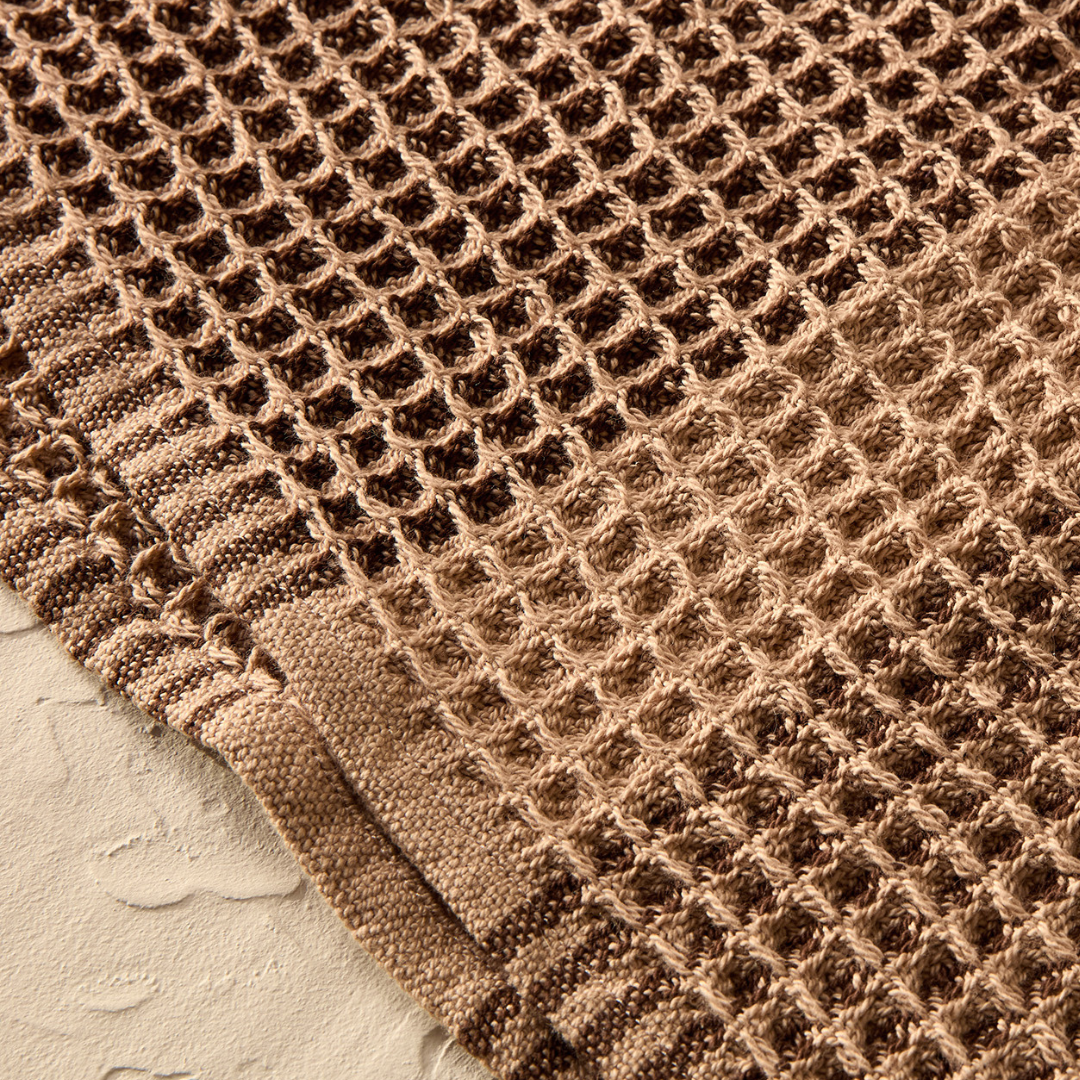
Have you ever woven a cloth that has a significant difference in draw-in between the Plain Weave hem versus the weave structure that is the primary focus of your piece? A great example of this is Waffle Weave. The pockets that make the final piece so squishy and absorbent can have a significant draw-in rate that makes managing a Plain Weave hem challenging. In this blog post, Kristina Nichols offers tips, tricks, and a step-by-step tutorial of how to accommodate for this differential to achieve a beautifully finished piece.

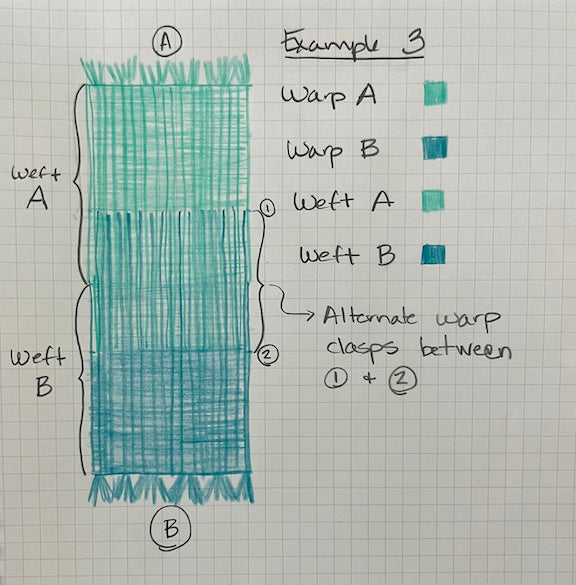
The Clasped Warp technique is a dynamic way to add color play and vertical patterning to Plain Weave on a rigid heddle loom. By interlinking warp yarns at selected points, you create a warp in which one yarn dominates on one end of the loom and the other on the opposite end. In this blog post, Carolyn Heacock offers inspirational design suggestions and a step-by-step tutorial for exploring Clasped Weft on rigid heddle.

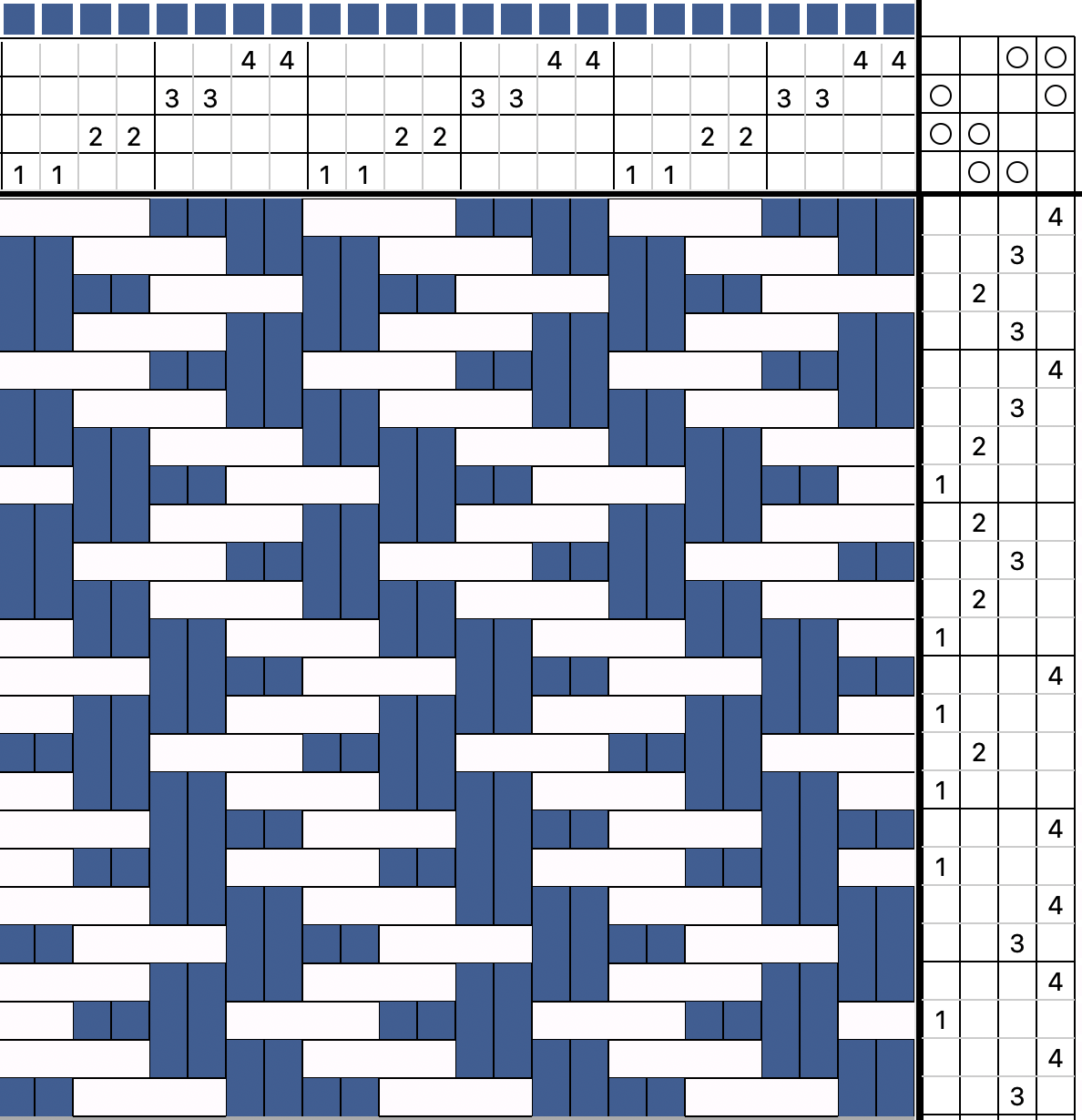
Knowing how to turn a draft is a fantastic tool that maximizes four-shaft loom capability while minimizing weaving complexity, but not visual complexity. In this blog post, Madison Potter, designer of the Turned & Telescoped Drafts Technique Trio, provides an overview of how and why to turn a draft.

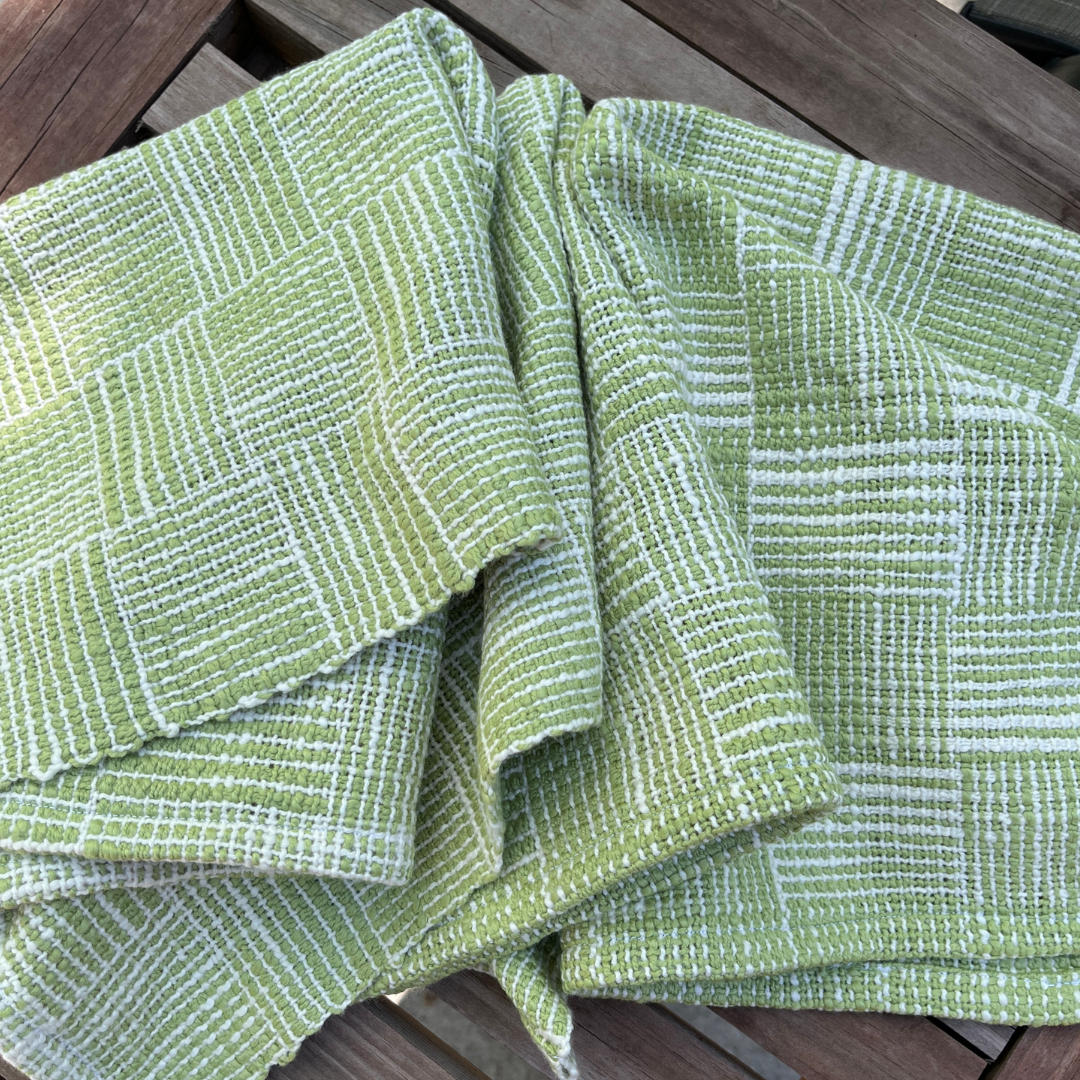
Log Cabin is a striking yet approachable weave structure—it looks complex, but it’s surprisingly easy to master. Belonging to the family of Color-and-Weave techniques which creates visual patterns by placing warp and weft colors in specific orders, both multi-shaft and rigid heddle looms are suitable for Log Cabin weavings. In this blog post, Carolyn Heacock provides an overview of how to get started with Log Cabin weaving.

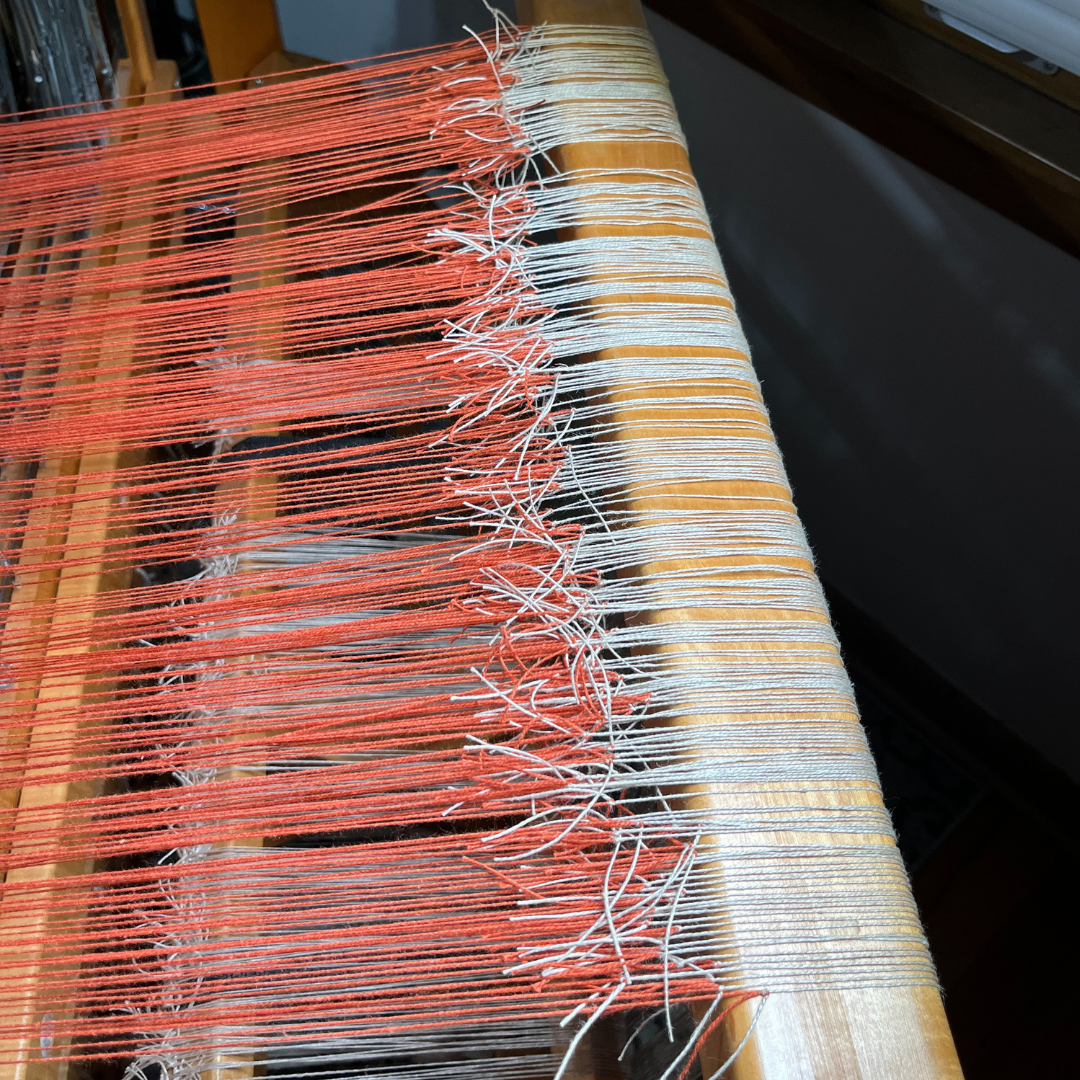
Weaving is a slow craft, and many dedicated weavers embrace that pace. Still, efficiency has its appeal, especially for multi-shaft weavers. One way to streamline the process is by tying a new warp onto an existing one. In this blog post, Carolyn Heacock provides her step-by-step guide to tying a new warp onto an existing one.

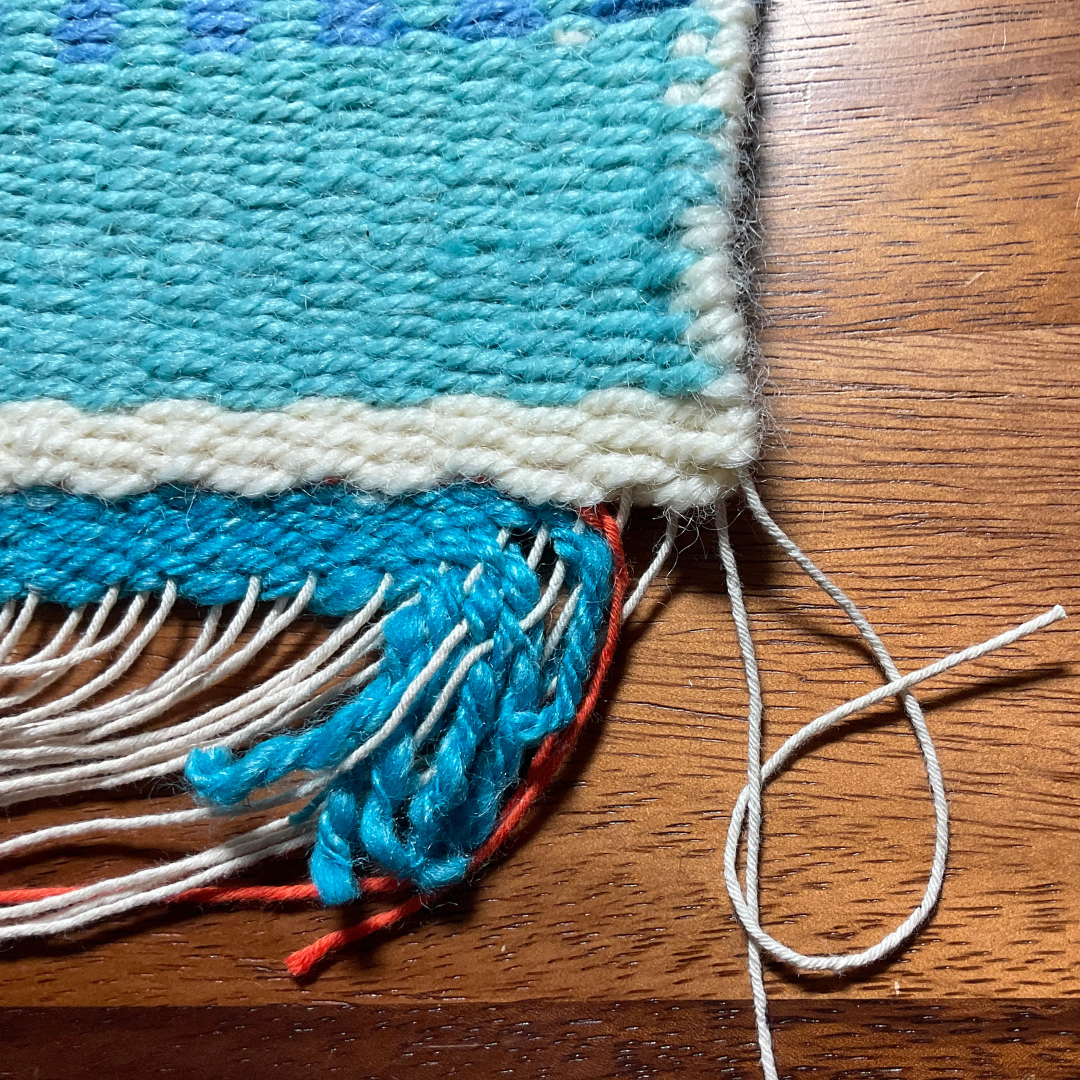
Some handwovens are too bulky to be hemmed, and some others, a simple knotted fringe doesn't feel quite polished enough. In such situations, a Damascus or Half-Damascus edge is a great option to have in your finishing technique toolkit. In this blog post, Karen G. Krueger offers a tutorial of how to create clean, secure edges using these techniques.

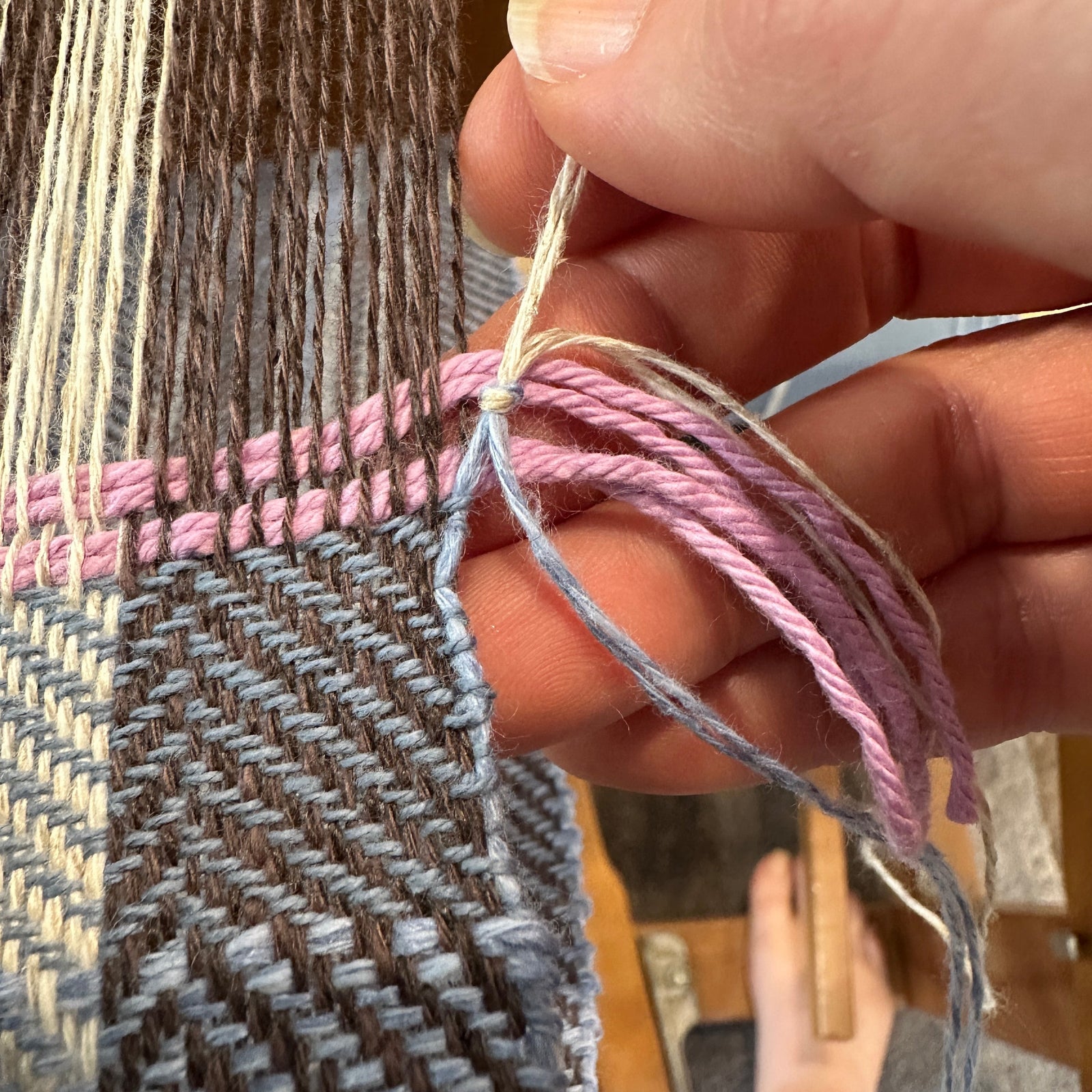
In this post, Christine shares her approach for managing frequent color changes at the selvedge, and changing selvedge thread colors when changing weft colors.

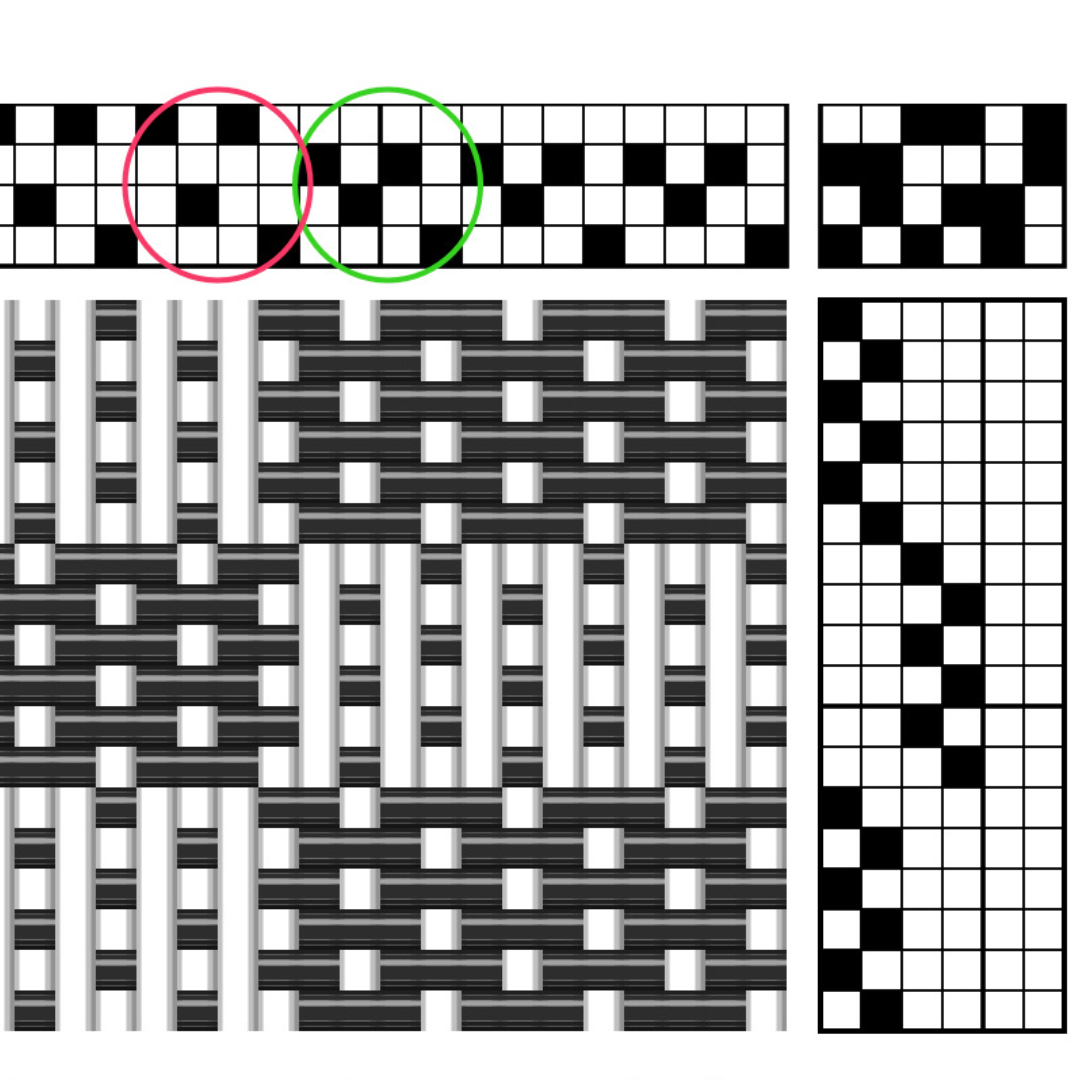
Throughout your weaving journey, you may come across pattern drafts that look a bit odd. Perhaps it seems like there’s information missing, or you’re only seeing only two shafts where you expect four. What you’re seeing is a profile draft or block substitution, a type of weaving shorthand that helps to more easily convey complex threadings and treadlings. In this blog post, Amanda Rataj covers how to use and read profile drafts.

As a follow up to our article on Reading and Understanding Profile Drafts, we thought we’d get into the details for those technical weavers who really want to understand theory. In this article, we’ll share more about the difference between block weaves and unit weaves, and why the distinction between the two is important.

You may have heard that unbalanced weave structures are not possible on counterbalance looms. But that is not true! In this blog post, Maja Lampa provides an overview of how this is achievable, and how to adapt your tie-up to make it work.

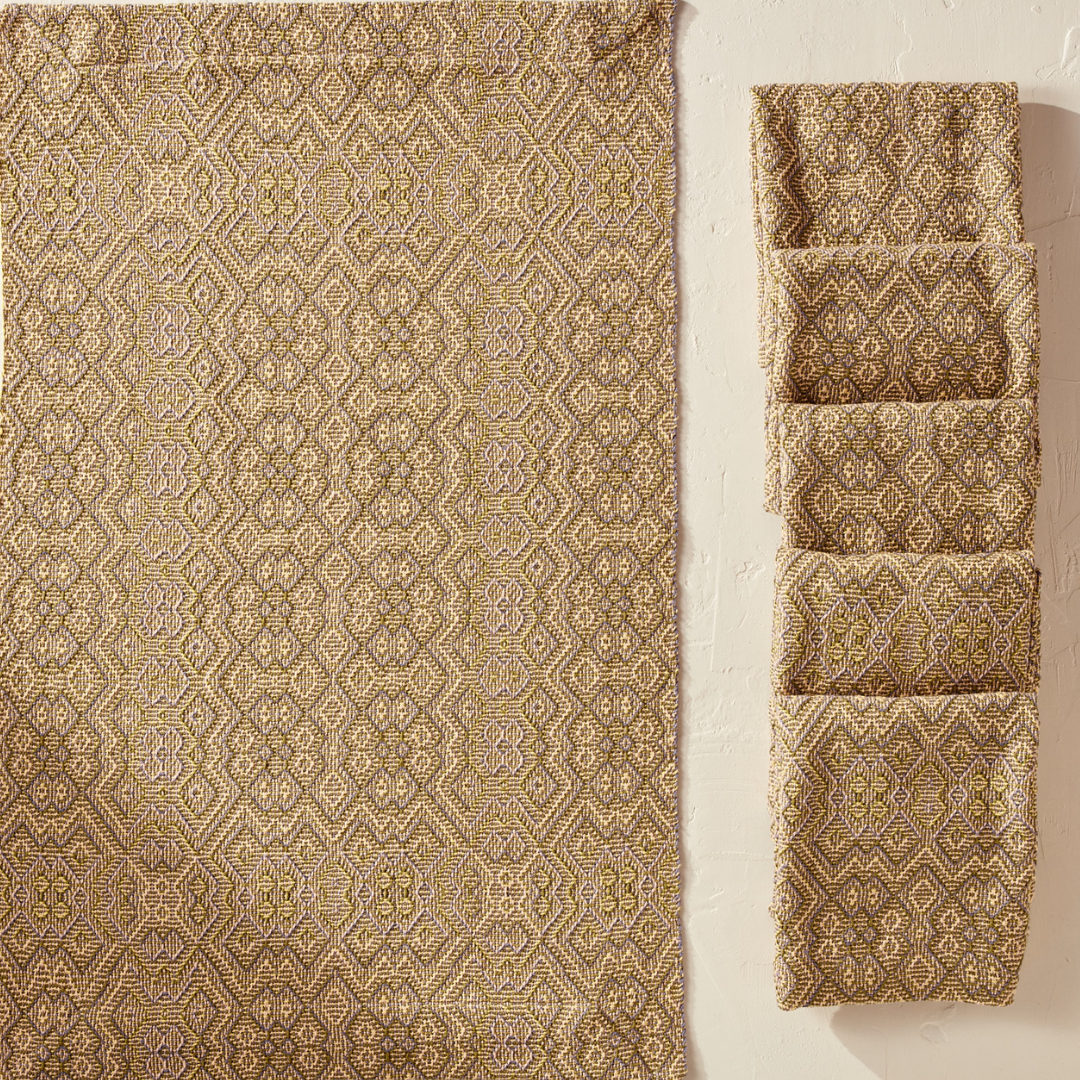
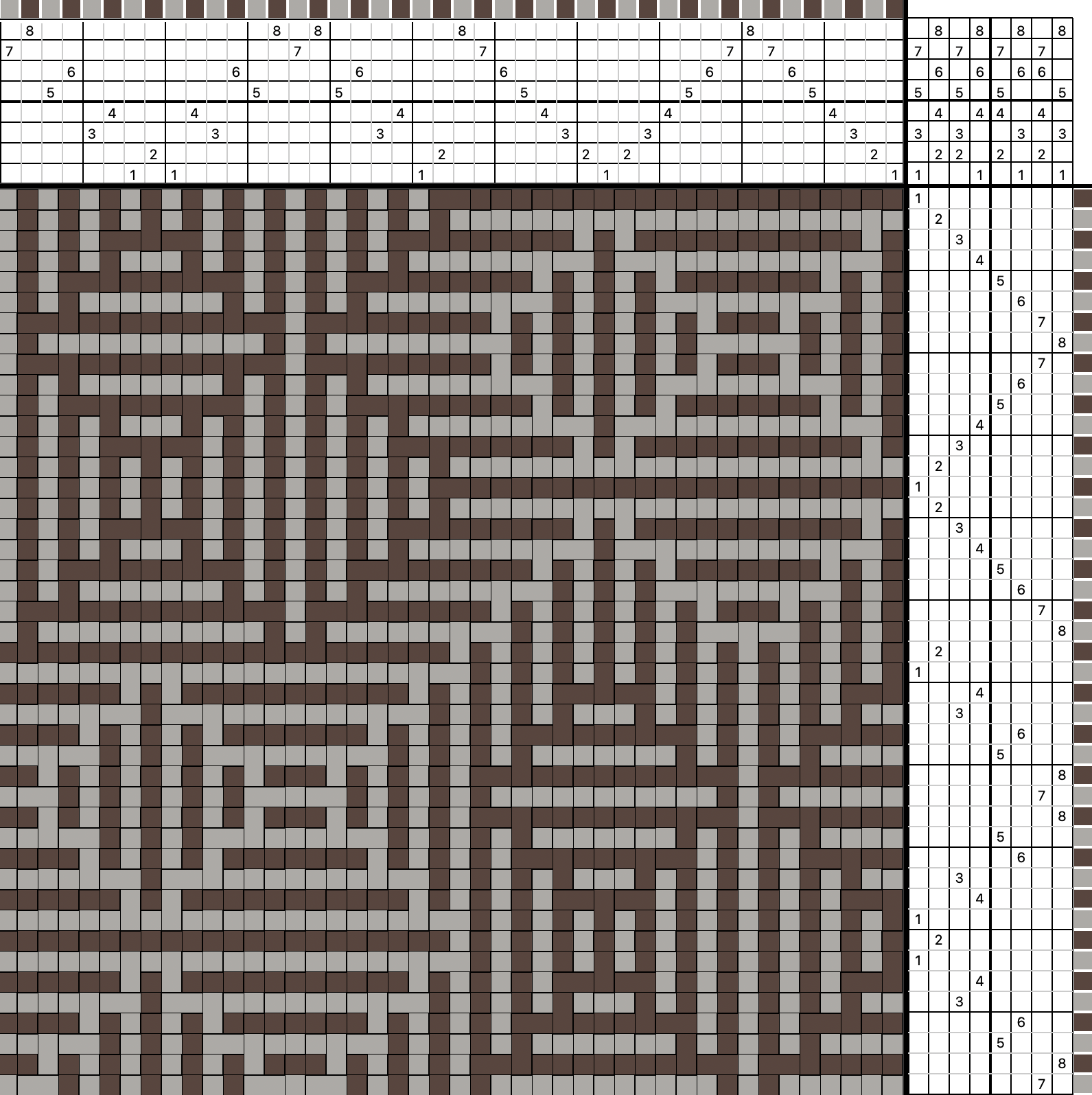
Designing any project from scratch can feel daunting, and Shadow Weave can seem even more intimidating simply because of the visual complexity of the design. In the third installment of her three-part series, Jennifer Leigh dives into designing your own Shadow Weave project.

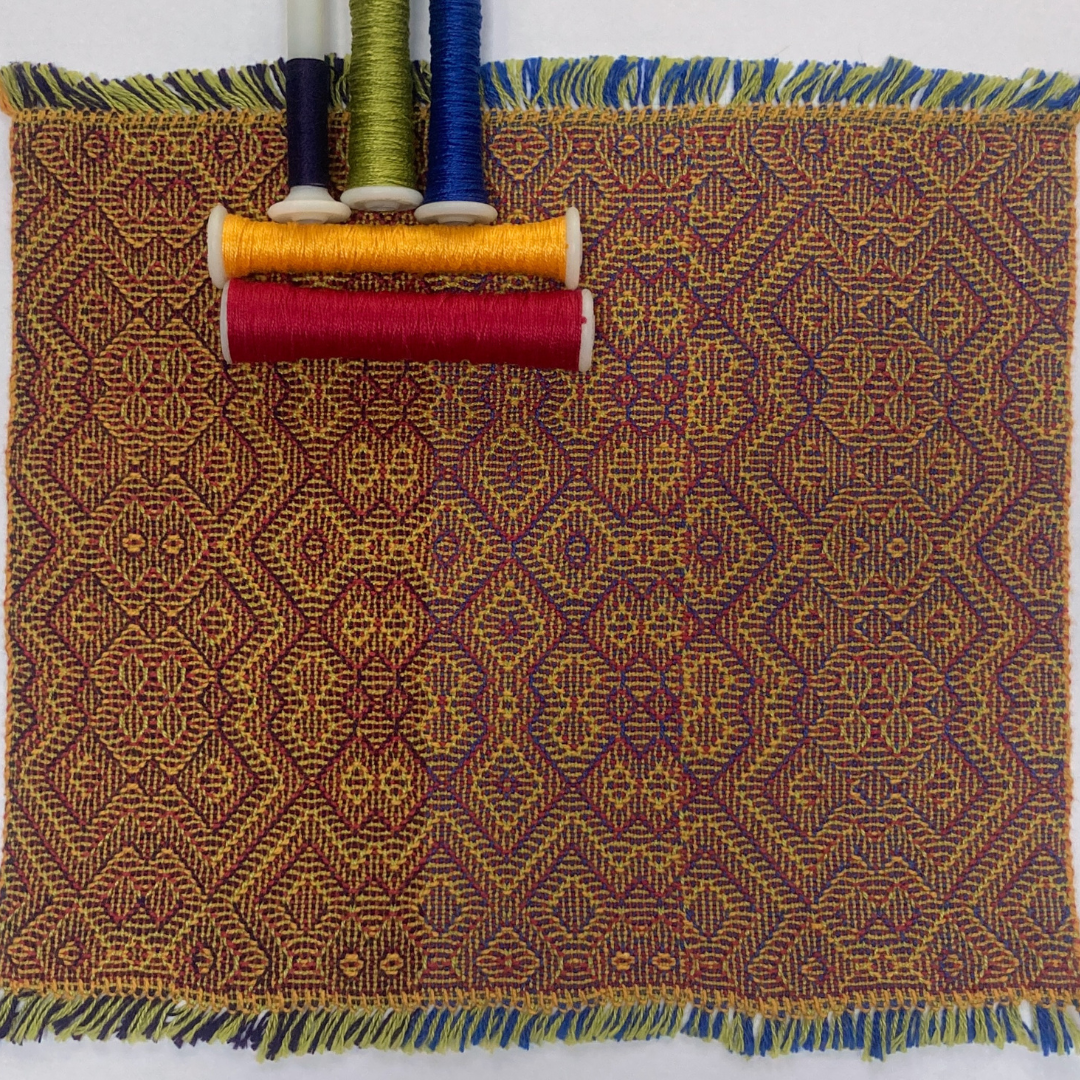
Choosing yarn for Color-and-Weave, and Shadow Weave in particular, requires careful consideration in order to give the desired effect. This article is the second in a three part series by Jennifer Leigh, and discusses key concepts to keep in mind when selection yarn for Color-and-Weave and Shadow Weave projects.