Shopping Cart
*continental US addresses only



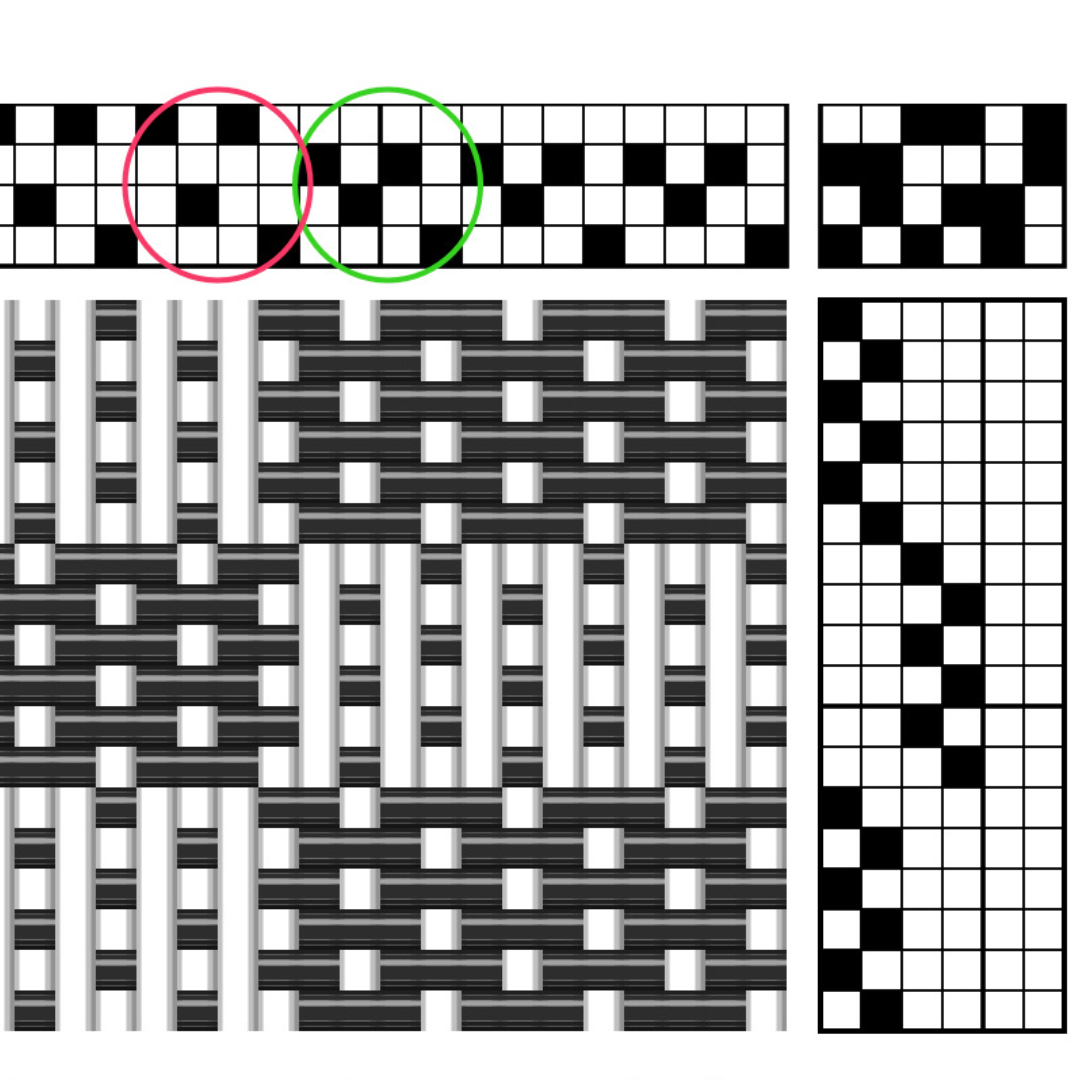
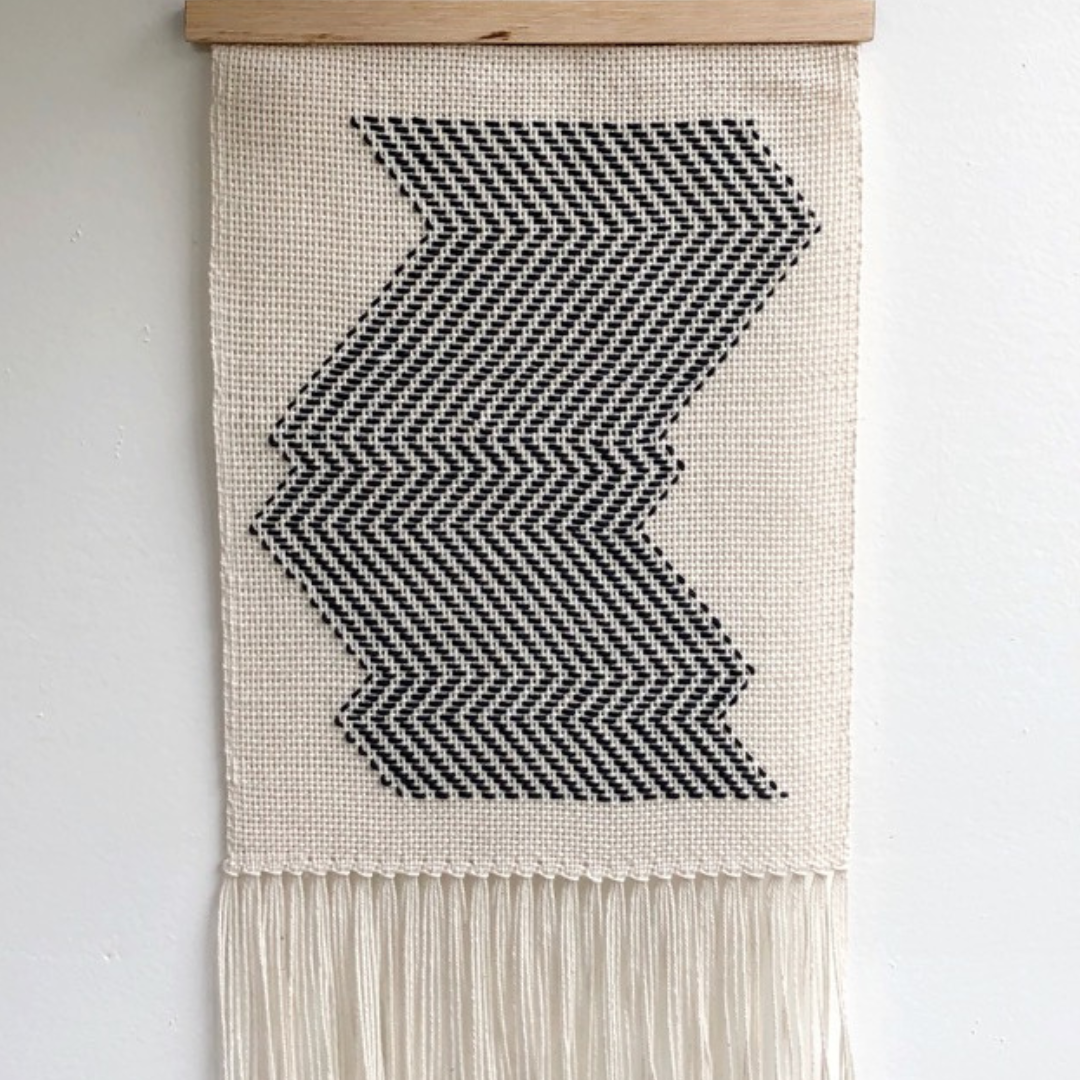
As a follow up to our article on Reading and Understanding Profile Drafts, we thought we’d get into the details for those technical weavers who really want to understand theory. In this article, we’ll share more about the difference between block weaves and unit weaves, and why the distinction between the two is important.

You may have heard that unbalanced weave structures are not possible on counterbalance looms. But that is not true! In this blog post, Maja Lampa provides an overview of how this is achievable, and how to adapt your tie-up to make it work.

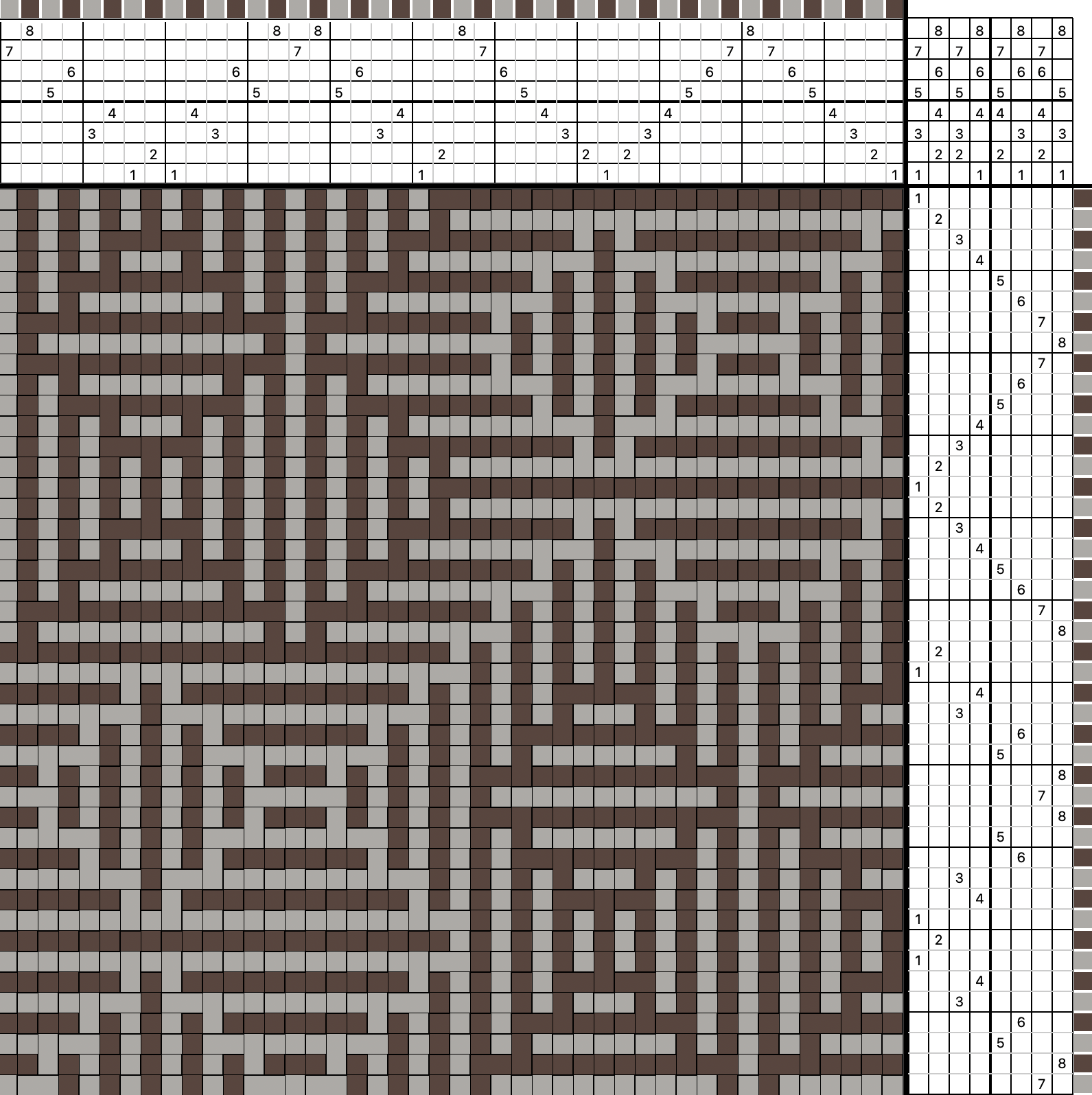
Designing any project from scratch can feel daunting, and Shadow Weave can seem even more intimidating simply because of the visual complexity of the design. In the third installment of her three-part series, Jennifer Leigh dives into designing your own Shadow Weave project.

In this blog post, weaver Maja Lampa offers a step by step tutorial for turning her Daffodils & Snowdrops Runner into a no-cut, low-sew tote bag.

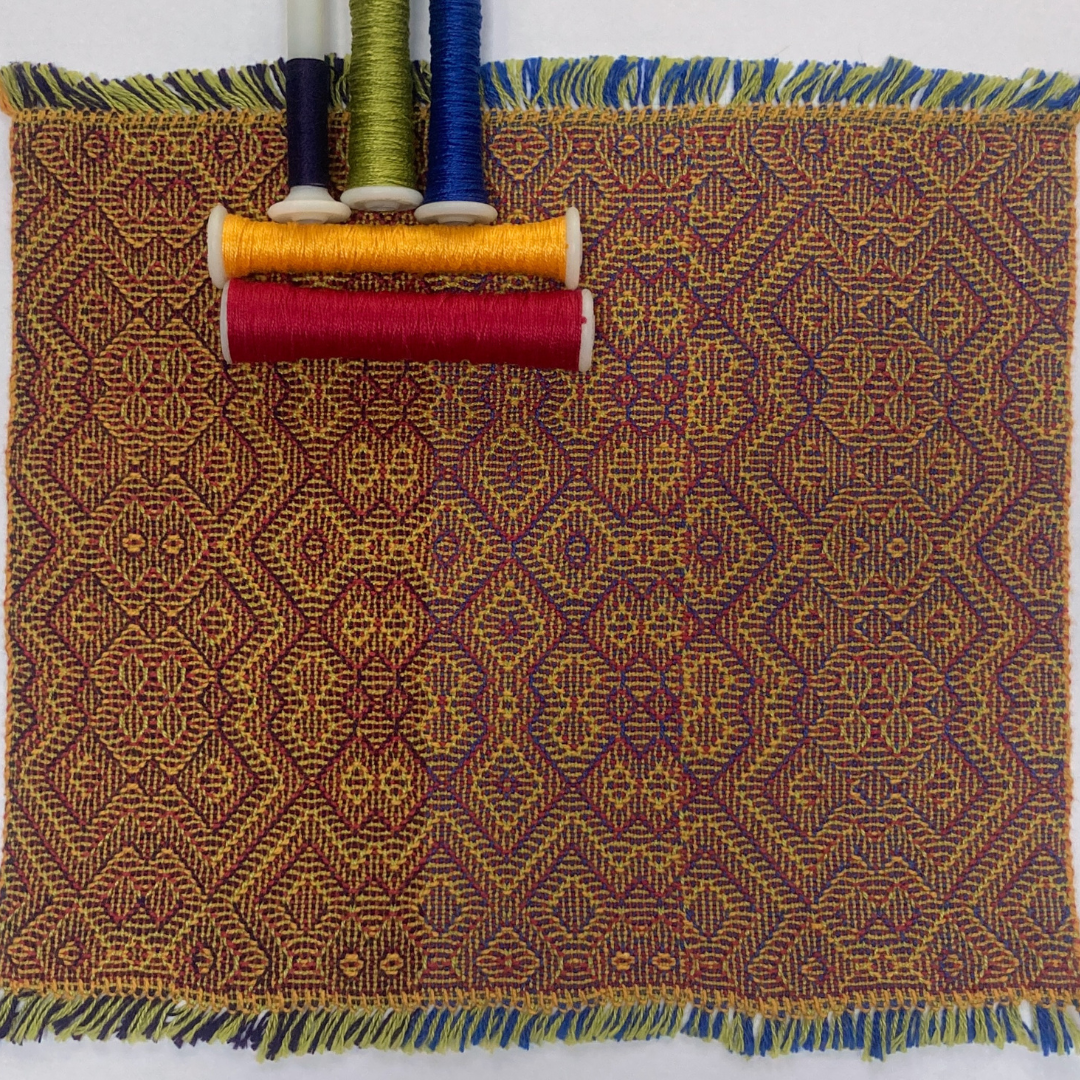
Choosing yarn for Color-and-Weave, and Shadow Weave in particular, requires careful consideration in order to give the desired effect. This article is the second in a three part series by Jennifer Leigh, and discusses key concepts to keep in mind when selection yarn for Color-and-Weave and Shadow Weave projects.

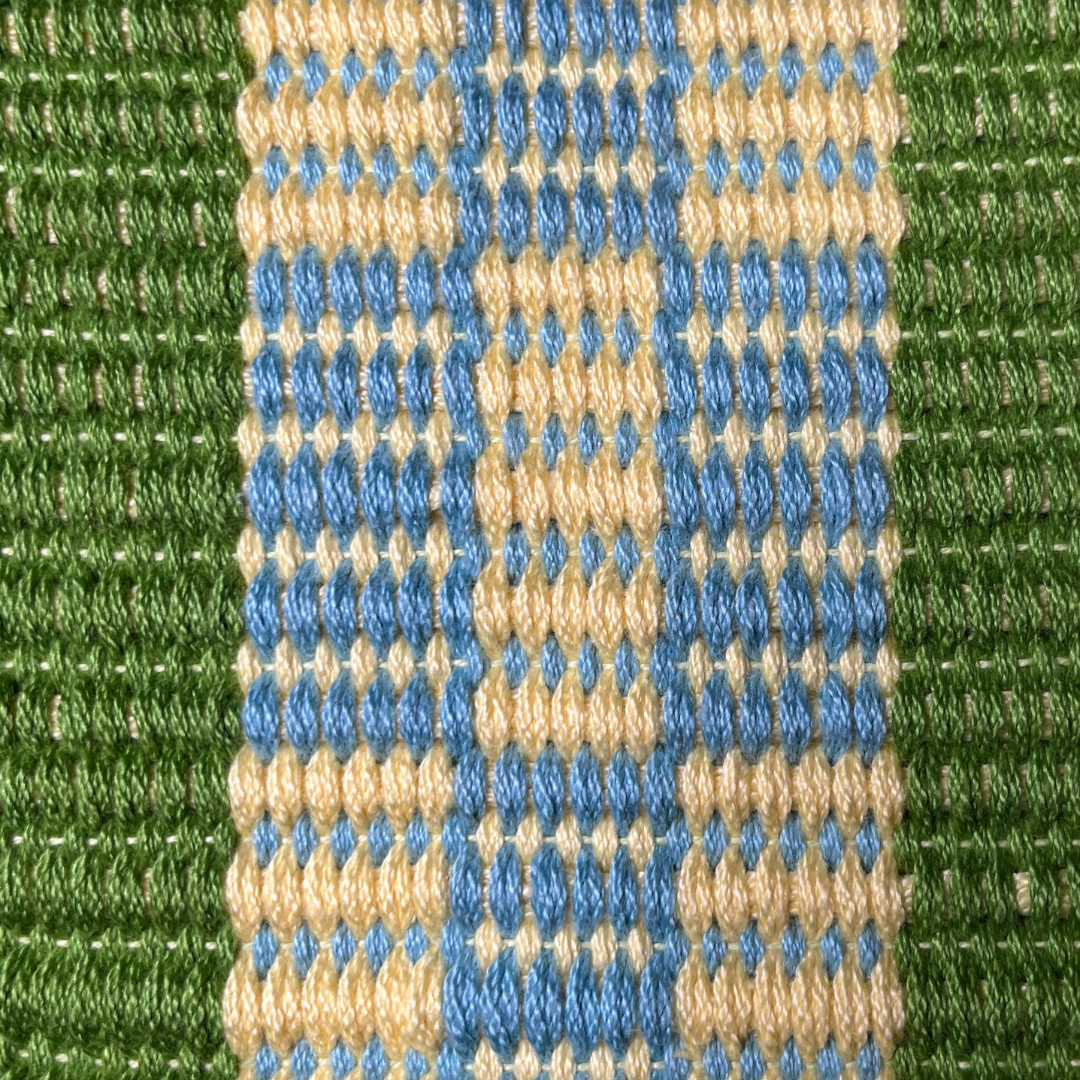
Rep Weave is a warp-faced technique known for creating bold patterns and sturdy fabric, ideal for projects like rugs, placemats, and bags. Traditionally Rep Weave is woven on multi-shaft looms, but it is easily adapted to rigid heddle looms as well. In this blog post, Carolyn Heacock provides an overview of getting started with Rep Weave on the rigid heddle.

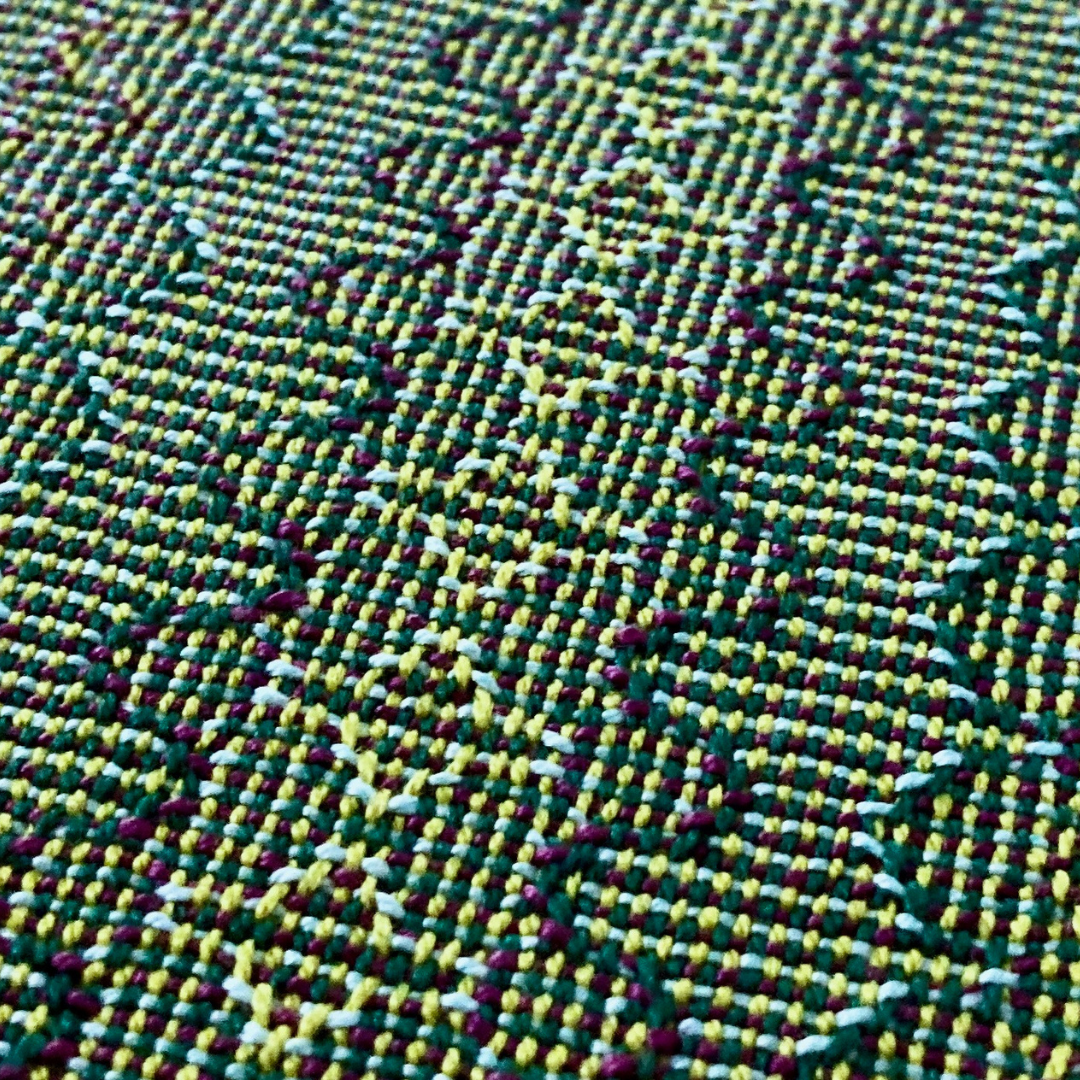
After Plain Weave and Twill, Color-and-Weave and Shadow Weave are frequently the next steps in a weaver’s journey. This simple technique of manipulating warp and weft color order to create patterning gives extra visual interest to almost any weaving structure. In the first installment of this blog series, Jennifer Leigh explores the key differences between Color-and-Weave and Shadow Weave structures.

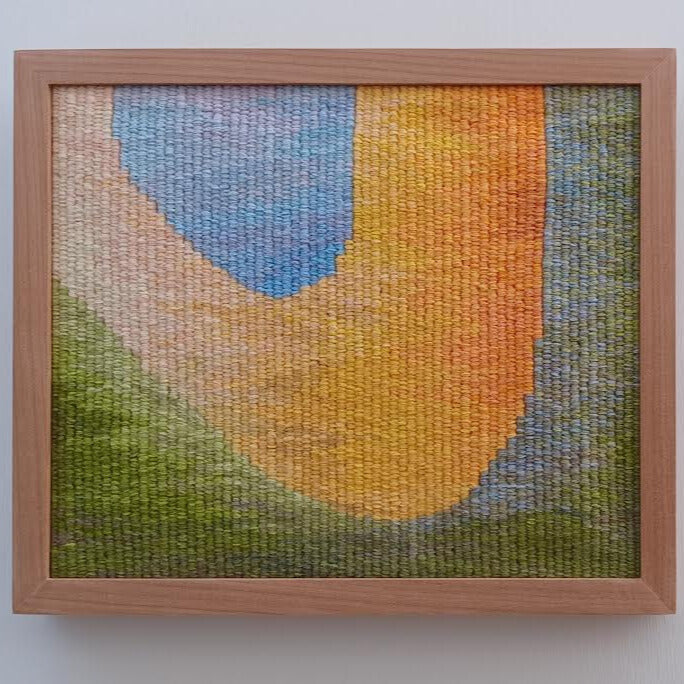
Framing a woven tapestry presents a unique challenge with seemingly infinite possibilities. To start you on your framing journey, weaver Olga Owczarek has provided a collection of tips, tricks, and a few ideas to consider before diving into weaving.

In a craft that tends to be very structured and rule-oriented, it can be wildly refreshing to play with patterns and see what other forms the weaver can create. In this blog post, Kate Koconis explores how she uses an Overshot weaving structure to create experimental, intuitive weavings.

Name Drafting is a method of incorporating a name or phrase into a weaving pattern such that it creates a unique graphic. There are many ways to name-draft, all of which serve as a tool to assist the weaver in the design process and make the draft uniquely theirs. In this blog post, Penny Lacroix provides step-by-step instructions for how she has used Name Drafting in her designs.

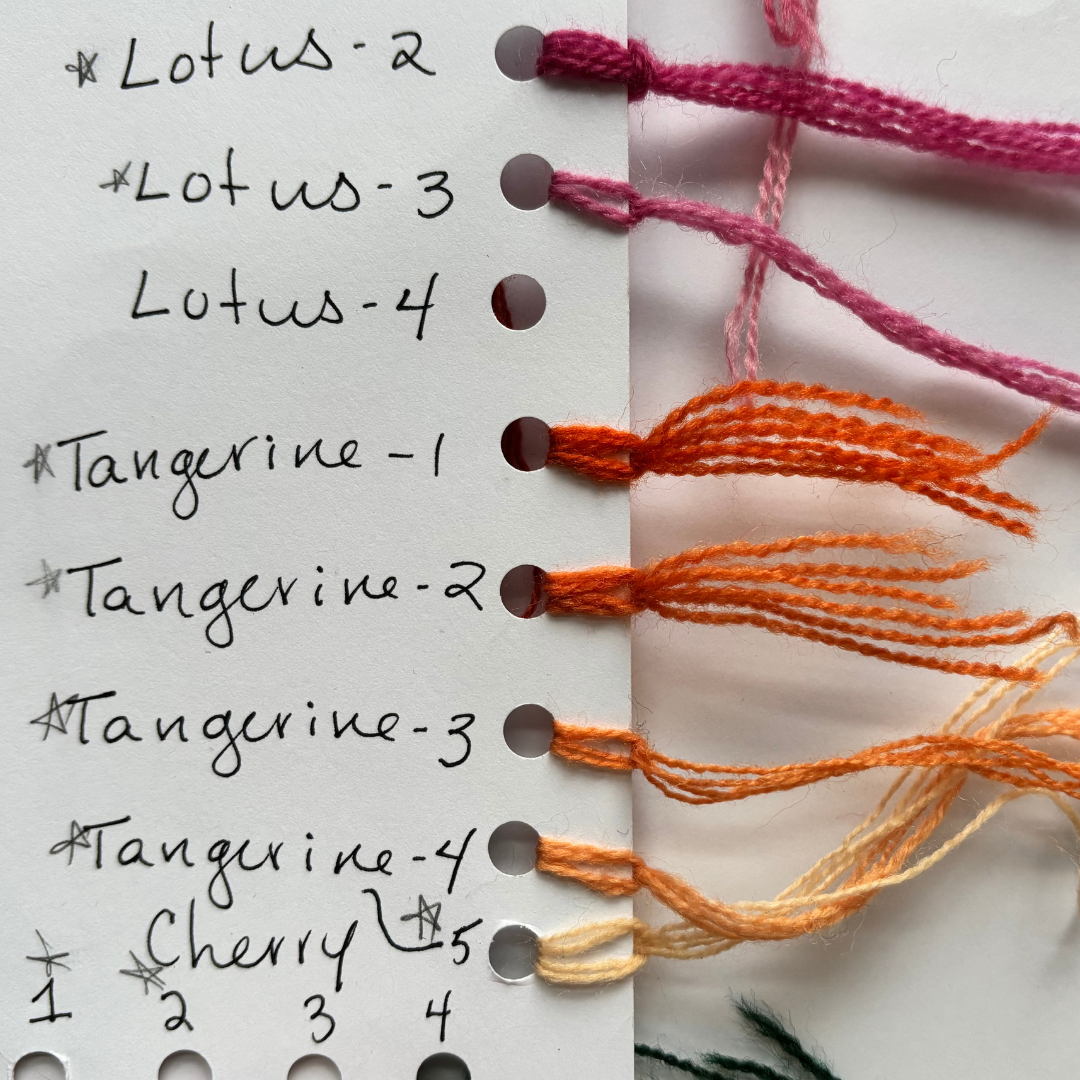
Whether you’re tidying up your studio, making room for a new loom, moving, or recovering from a moth incident, there comes a time when every weaver needs to organize their stash. It can be a daunting task, but is well worth the work. Here are a few tips for organizing your studio so that it is functional and inspiring.

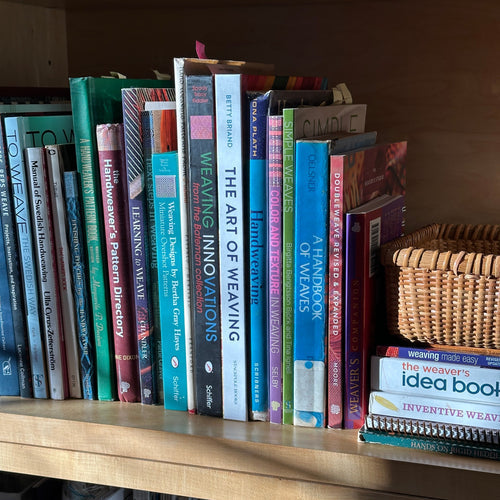
Aside from stashing weaving yarn, we know weavers also love to stash weaving books. While we have a few “must haves” listed on our resources page, we polled a few folks in our design community to find out what their favorite weaving books are, and why.