Weaving Resources
Weave Structures: Overshot
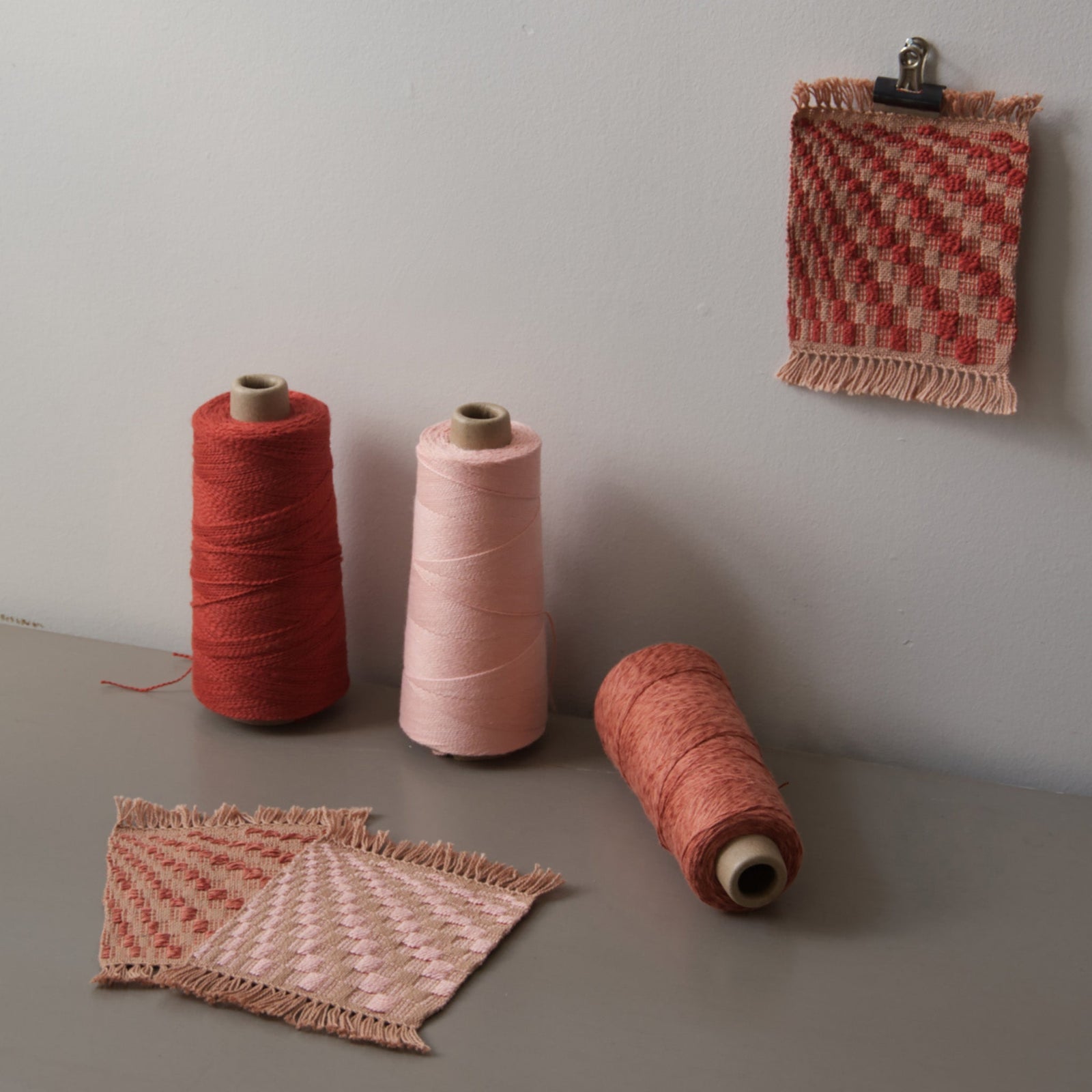
Overshot textiles have a distinctive construction made up of both a plain weave and pattern layer. Requiring two shuttles and at least four shafts, overshot textiles are built using two passes: one weaves a tabby layer and the other weaves the pattern layer, which overshoots or floats, above.
Read More
Basic Weave Structures: Twill
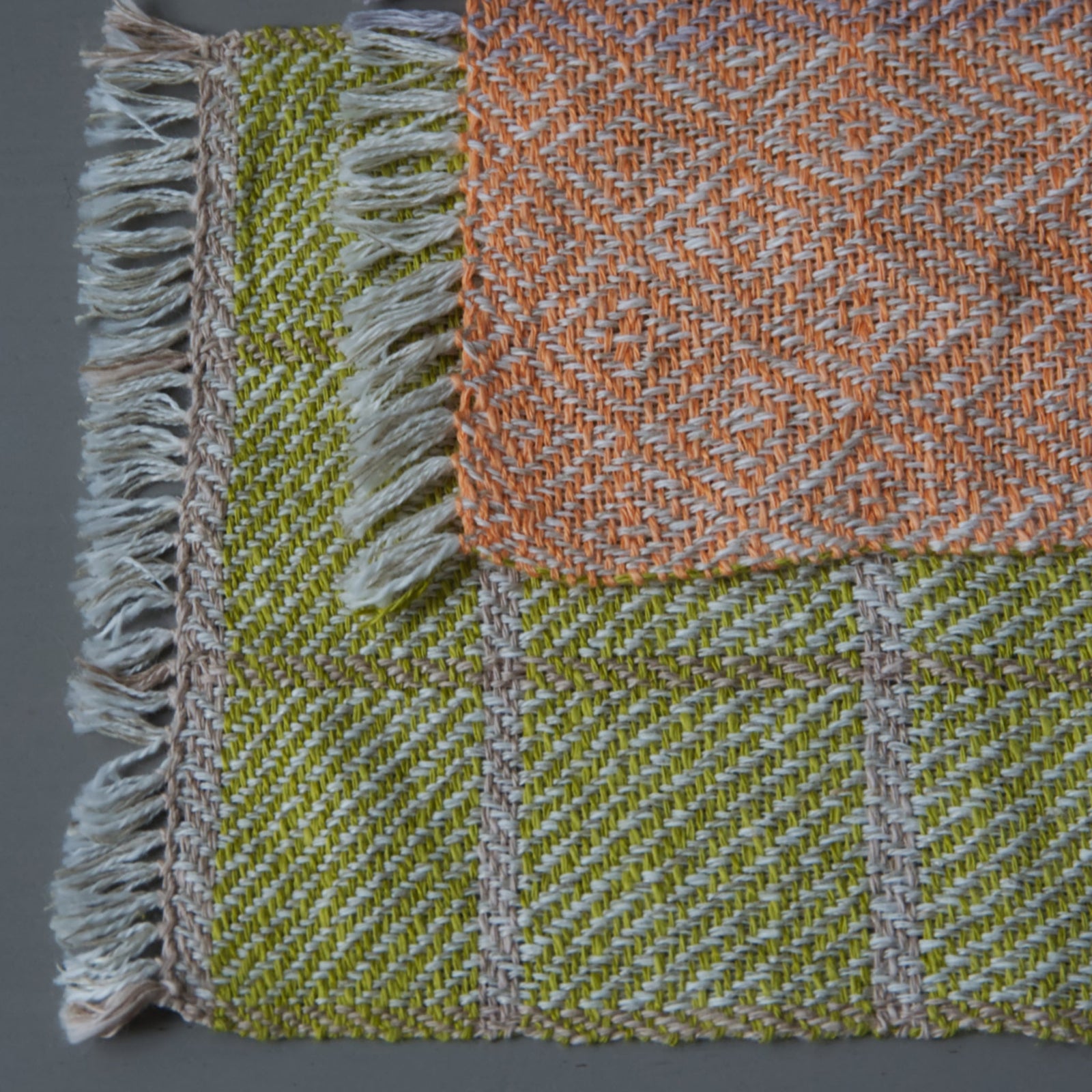
This post is the second in a series introducing you to common weaving structures. You’ll find many patterns in Gist’s pattern collection that feature twill structures, and, like plain weave, it’s another foundation weave that has a lifetime of new and exciting combinations to explore.
Introduction to Tapestry Looms and Tapestry Weaving
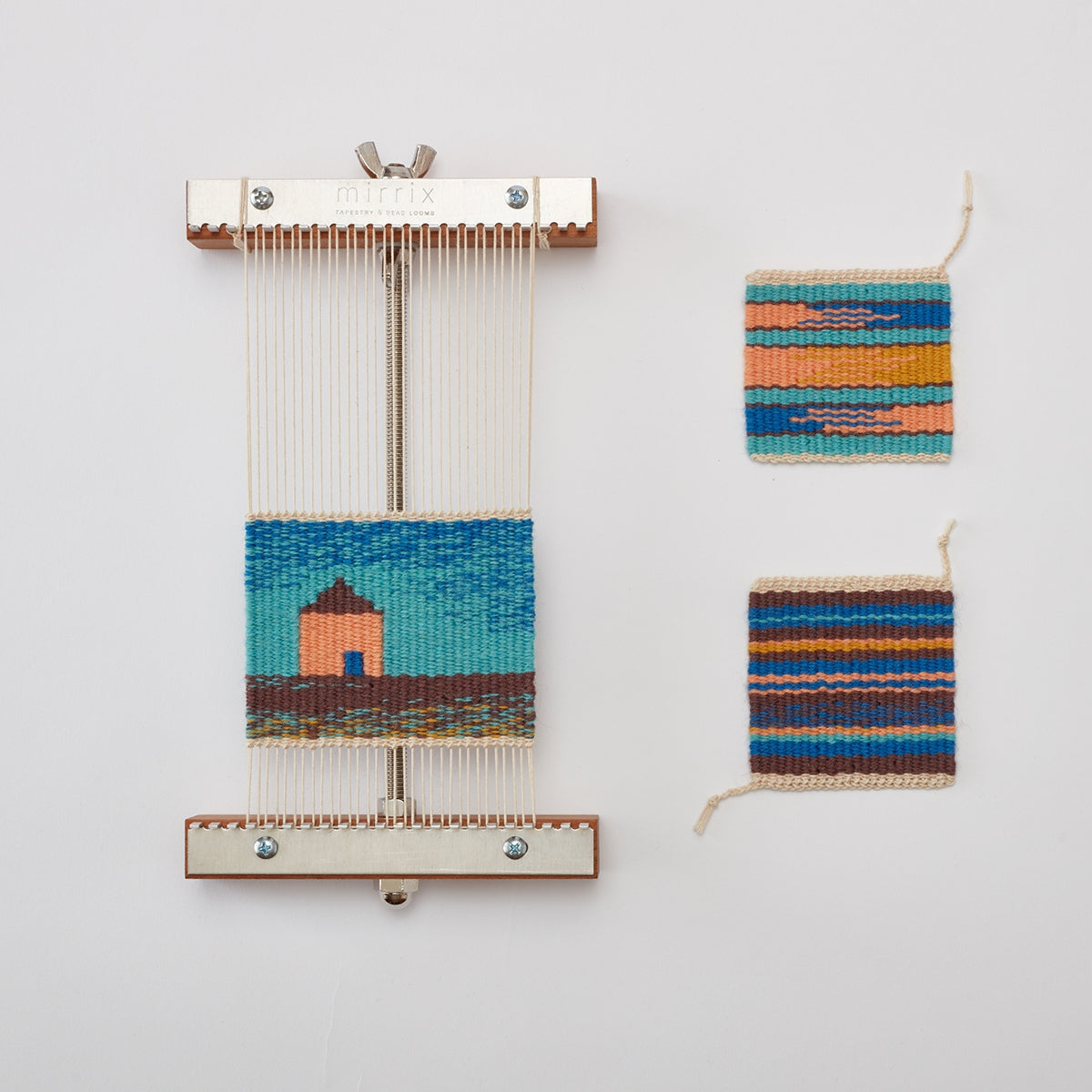
If you are looking to try out a new art form, or if you are a multi-shaft or rigid heddle weaver interested in exploring another facet of the weaving world, this blog post introduces the equipment and yarn you'll need to get started with tapestry weaving.
Basic Weave Structures: Plain Weave
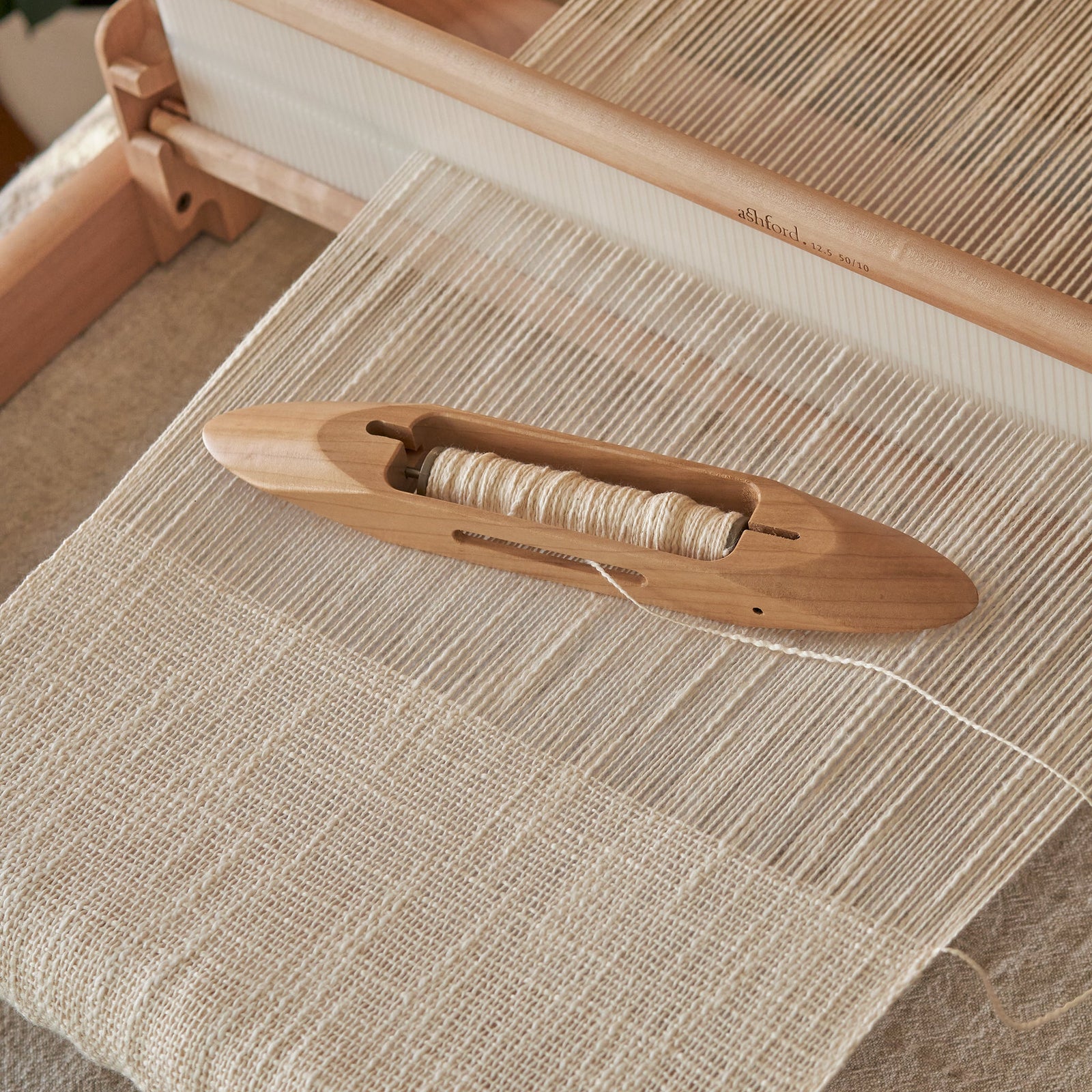
Plain weave is a fundamental weaving structure in which the weft travels over and then under adjacent warp ends. The weft does the opposite in the next row, traveling under/over a warp end it previously went over/under. Plain weave creates a smooth and strong cloth.
Read More
Doubleweave on a Rigid Heddle Loom: Tips for Achieving a Clean Shed
Learn how to achieve a clean shed when doing doubleweave on your rigid heddle loom.
Read More
The Differences Between Direct and Indirect Warping for Rigid Heddle Looms
Learn the functional differences between the direct and indirect warping methods for rigid heddle looms.
Read More
How to Wind a Warp for Weaving
Learn how to wind a warp for weaving with instructions and advice from Amanda Rataj. If you are a rigid heddle weaver, this process is known as indirect warping.
Read More
How to Fix Warp Tension Issues on Rigid Heddle Looms
Learn the how to prevent tension problems on your rigid heddle loom while warping, and how to fix tension issues while weaving.
Read More
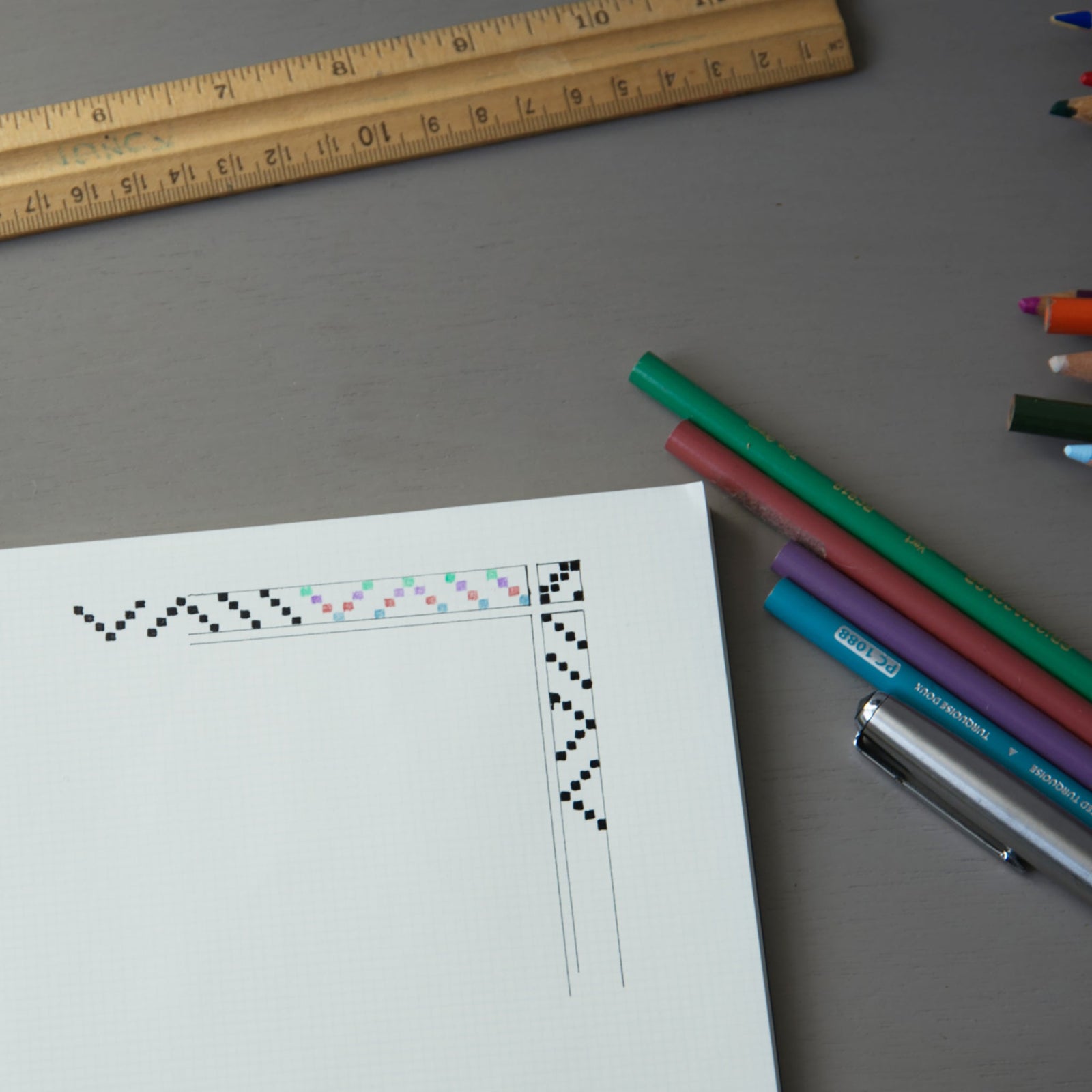
How to Read a Weaving Draft
Learn how to read a weaving draft with this in-depth look at each of the key components: threading, tie-up, treadling, and drawdown. This information can be applied to both rising and sinking shed looms.
Read More
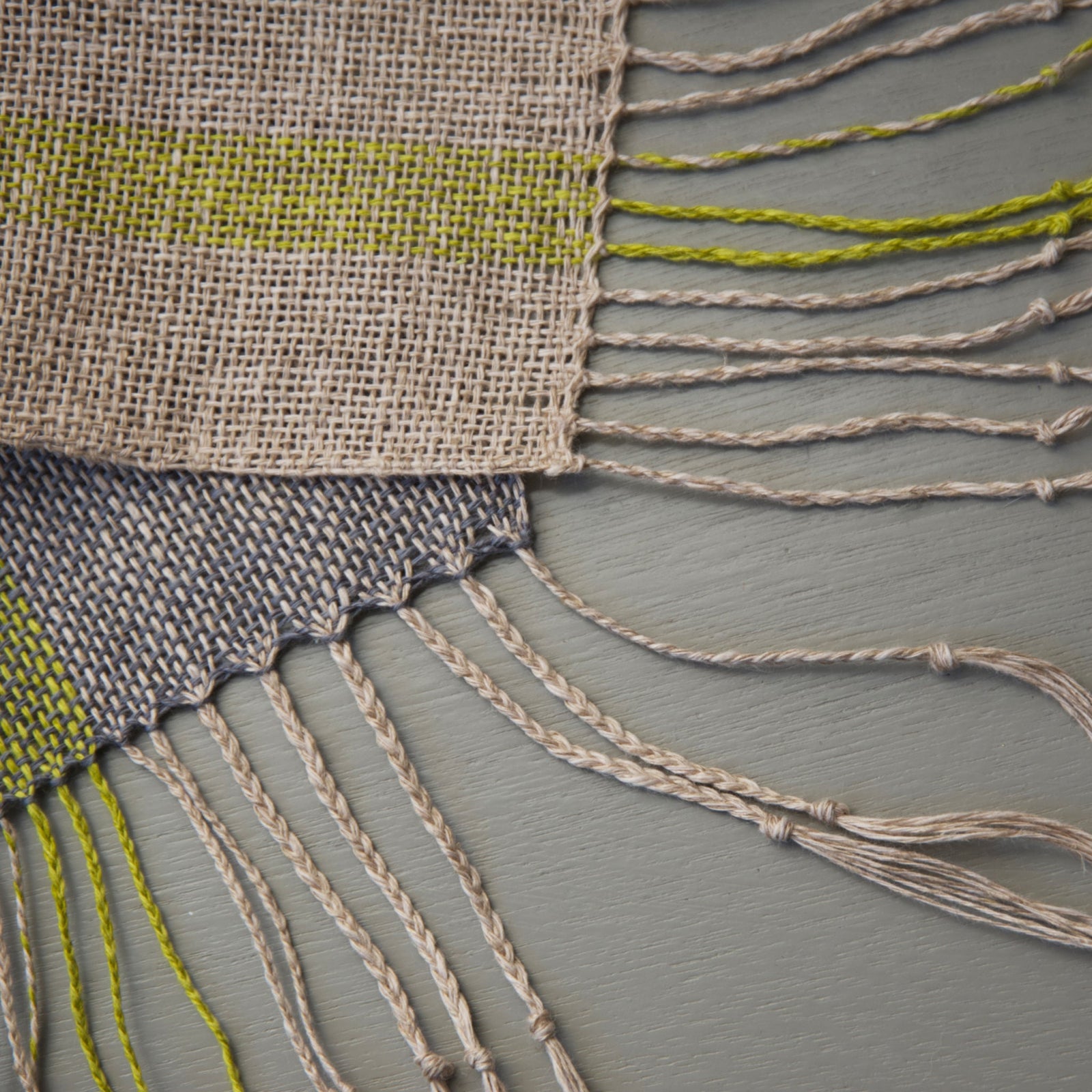
Fringe Finishing Techniques
This article covers two basic finishing techniques: hand twisted and braided fringe. A fringe is more than a decorative element—it also secures your weaving. These simple and beginner-friendly techniques can be used on a variety of projects, such as scarves, rugs, and towels.
Read More
Weaving Glossary
New weavers can often be intimidated by all of the new terminology. From treadles to heddles, there’s so much to learn. Fear not, dear weaver! This glossary of terms will tell you everything you need to know.
Read More
Categories
Subscribe
Get weaving inspiration and patterns straight to your inbox.